Texture and mixed-media illustration makes the material part of the story. Grain, paper edges, printed marks and layered surfaces can give a simple composition a tactile character.
When to use these styles
Explore these styles when an article needs the feeling of a handmade object, a print or a collage. Each reference describes its own material treatment.
Prompting tip
Choose a dominant material and one supporting texture. Too many competing texture instructions can obscure the subject and flatten the visual hierarchy.
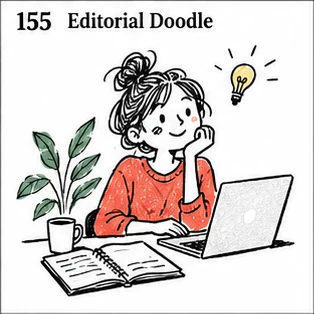
Editorial Doodle
Casual black lines connect a figure with one conceptual object; sparse accents and relaxed poses on white make the editorial theme easy to grasp. Keep organic line variation and no more than three flat colors. Focus the joke on one gesture or object relationship; simplify the background.
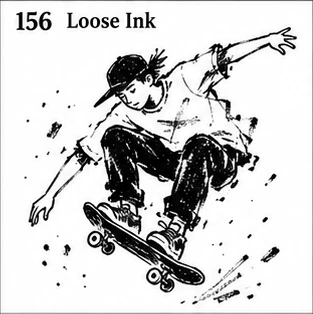
Loose Ink
Variable pressure creates broken thick-thin strokes; quick gestures and open contours preserve spontaneity, with light ink connecting figure and space. Shape the image with wet-dry ink, varied stroke weight and open paper. Let the main gesture follow the brush rhythm, with only supporting local color.
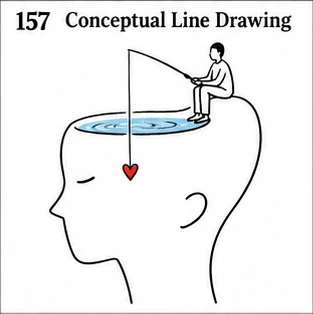
Conceptual Line Drawing
Very few lines transform the relationship between two objects; one clear visual metaphor guides the composition with minimal ornament and generous negative space. Organize the image through contours and empty space. Make the main gesture immediately readable, with restrained color accents and no heavy shading.
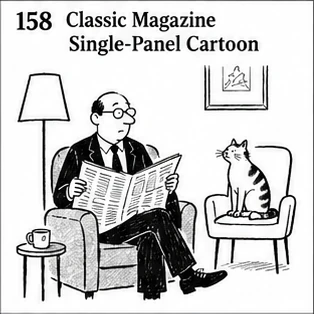
Classic Magazine Single-Panel Cartoon
Composed adult figures inhabit one everyday situation; black lines and pale gray washes support a straight-faced absurd joke in a single panel. Keep organic line variation and no more than three flat colors. Focus the joke on one gesture or object relationship; simplify the background.
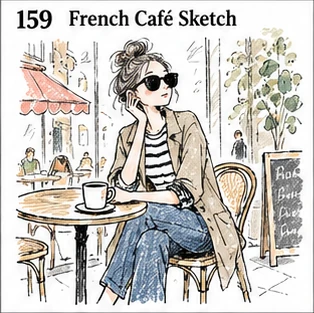
French Café Sketch
Slender figures and furniture are summarized in quick pen; pale brown washes and uneven observed contours evoke a casual café sketch. Preserve translucent layers, paper luminosity and natural wet edges. Reserve dark values for the focal point; separate subject and supporting elements by scale and clarity.
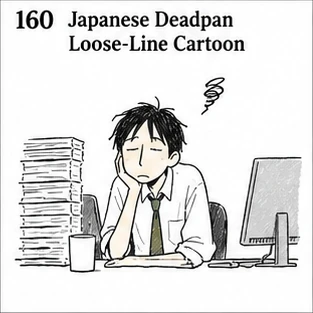
Japanese Deadpan Loose-Line Cartoon
Hairline strokes describe drooping shoulders and weary faces; minimal props and lowered body balance make everyday exhaustion gently amusing. Organize the image through contours and empty space. Make the main gesture immediately readable, with restrained color accents and no heavy shading.
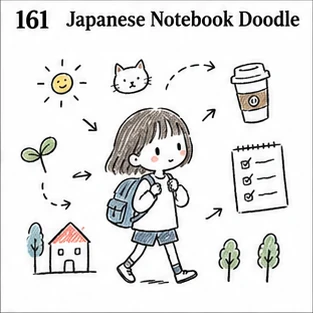
Japanese Notebook Doodle
Small figures, objects and decorative shapes sit like stickers; relaxed outlines and soft colors organize a handful of elements around one theme. Retain visible strokes and subtle overlaps; prioritize contours over tiny detail. Arrange elements around the subject with a lively but hierarchical palette.
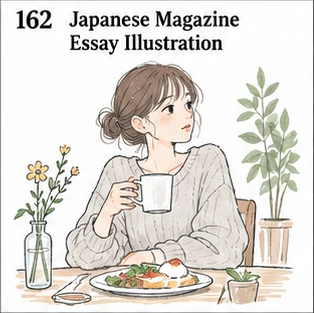
Japanese Magazine Essay Illustration
Fine lines describe outfits, food or daily gestures; muted color blocks control visual weight against a simple, readable editorial background. Organize the image through contours and empty space. Make the main gesture immediately readable, with restrained color accents and no heavy shading.
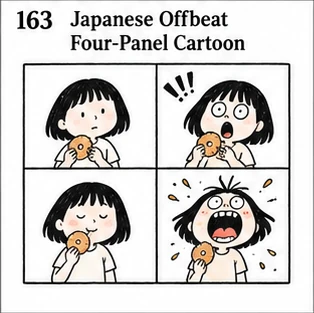
Japanese Offbeat Four-Panel Cartoon
Simple figures suddenly distort at a key gesture; expression and body direction create a brief comic reversal within one scene or readable action sequence. Keep organic line variation and no more than three flat colors. Focus the joke on one gesture or object relationship; simplify the background.
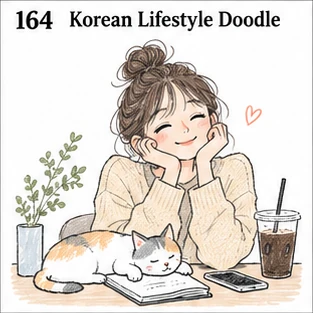
Korean Lifestyle Doodle
Soft fine outlines depict natural poses and small objects; cream, pale pink and light green form a low-contrast, approachable lifestyle palette. Organize the image through contours and empty space. Make the main gesture immediately readable, with restrained color accents and no heavy shading.
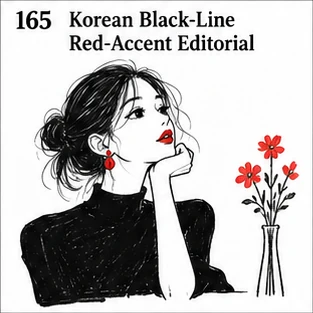
Korean Black-Line Red-Accent Editorial
Fine black lines describe a fashion figure; a single red accent marks the key object or gesture within generous white space. Organize the image through contours and empty space. Make the main gesture immediately readable, with restrained color accents and no heavy shading.
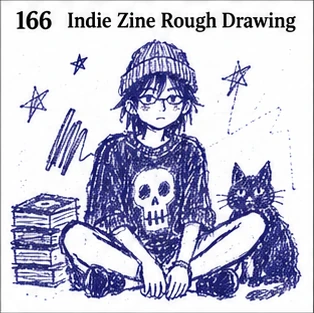
Indie Zine Rough Drawing
Rough felt-tip lines, low-fidelity fills and odd proportions retain handmade imperfections; direct staging creates an independent-zine attitude. Treat paper grain and slight edge irregularities as controlled details. Limit the main colors and preserve a clear subject and breathing space rather than covering everything in texture.
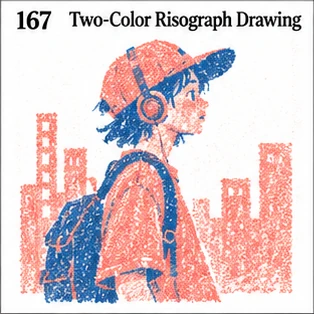
Two-Color Risograph Drawing
Two overlapping ink colors create a third hue; shifted registration, coarse grain and visible paper make the printing process part of the image. Treat paper grain and slight edge irregularities as controlled details. Limit the main colors and preserve a clear subject and breathing space rather than covering everything in texture.
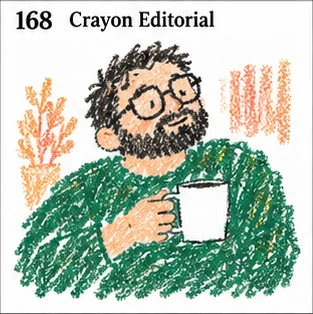
Crayon Editorial
Coarse crayon grain and out-of-bounds fills depict an adult theme; simplified shapes and clear emotion contrast with childlike materials. Paper grain, rubbing and small exposed areas reveal the medium without breaking the main forms. Use a limited palette with warm-cool variation.
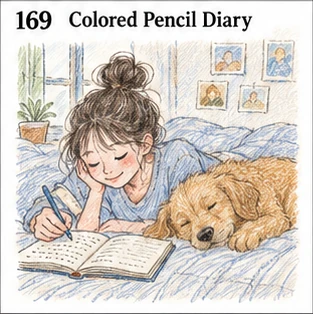
Colored Pencil Diary
Light pencil contours and translucent colored-pencil layers record a daily moment; visible paper and selective hatching create gentle volume. Let pencil strokes follow form and paper grain show through the color. Local contrast defines the focus, balanced by pale areas and open space.
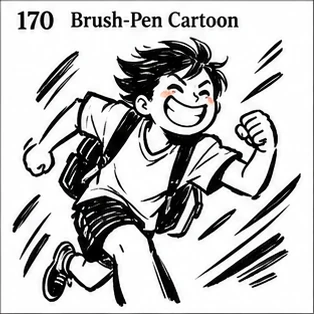
Brush-Pen Cartoon
Dramatically varied black brush strokes emphasize action through curves and ink masses; direct expressions and sparse props follow the body's movement. Shape the image with wet-dry ink, varied stroke weight and open paper. Let the main gesture follow the brush rhythm, with only supporting local color.
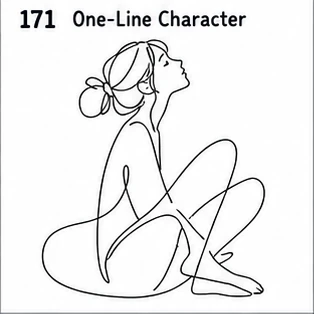
One-Line Character
A continuous long line describes a natural pose and garment silhouette; reduced features and volume let rhythm and open gaps create modern elegance. Organize the image through contours and empty space. Make the main gesture immediately readable, with restrained color accents and no heavy shading.
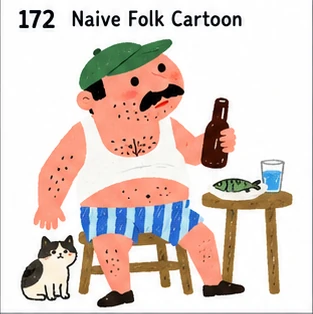
Naive Folk Cartoon
Naive proportions and skewed perspective meet direct color blocks; readable objects and earnest faces create humor within an improbable folk-like space. Unify figures and setting through a consistent shape language and simple depth layers. Let color support the mood and concentrate detail around interaction and expression.
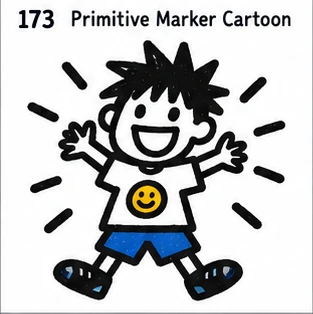
Primitive Marker Cartoon
Thick black marker builds simple large shapes; crooked proportions, sparse facial marks and limited fills keep the character recognizable at small sizes. Retain visible strokes and subtle overlaps; prioritize contours over tiny detail. Arrange elements around the subject with a lively but hierarchical palette.
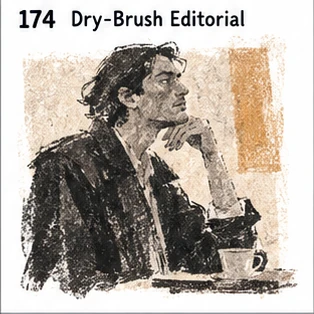
Dry-Brush Editorial
Dry brush exposes paper grain along broken edges; mature abstract figures use localized ink masses and restrained color for a forceful editorial idea. Shape the image with wet-dry ink, varied stroke weight and open paper. Let the main gesture follow the brush rhythm, with only supporting local color.
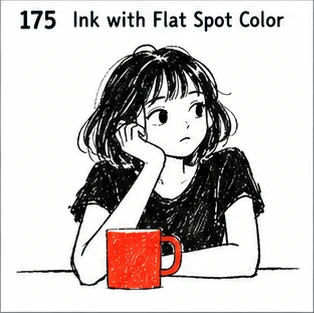
Ink with Flat Spot Color
Black ink carries contour and movement; one accent color identifies the thematic object, with clean empty space keeping the image light and striking. Shape the image with wet-dry ink, varied stroke weight and open paper. Let the main gesture follow the brush rhythm, with only supporting local color.
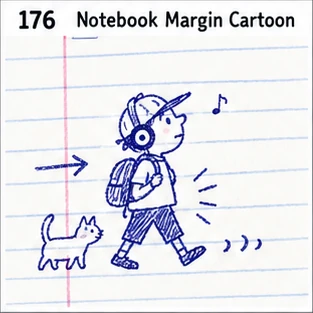
Notebook Margin Cartoon
Ballpoint-like fine lines, slight retracing and a few simple props form a tiny informal character, like a spontaneous sketch in a notebook margin. Organize the image through contours and empty space. Make the main gesture immediately readable, with restrained color accents and no heavy shading.
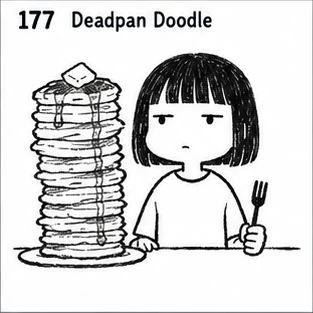
Deadpan Doodle
Calm faces and minimal gestures confront one misplaced relationship in the scene; clean doodle lines keep the absurdity situational rather than expressive. Keep organic line variation and no more than three flat colors. Focus the joke on one gesture or object relationship; simplify the background.
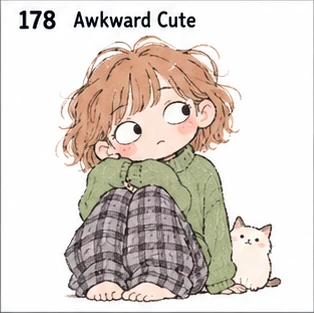
Awkward Cute
Awkward proportions, wandering eyes and cramped limbs create a shy character; soft accents and uneven contours turn discomfort into endearing charm. Keep organic line variation and no more than three flat colors. Focus the joke on one gesture or object relationship; simplify the background.
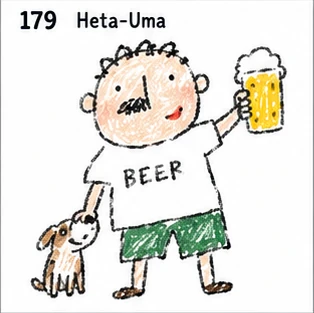
Heta-Uma
Deliberately inaccurate proportions and rough fills remain direct; subtle adult emotions inhabit an unpolished figure with a clear overall shape. Treat paper grain and slight edge irregularities as controlled details. Limit the main colors and preserve a clear subject and breathing space rather than covering everything in texture.
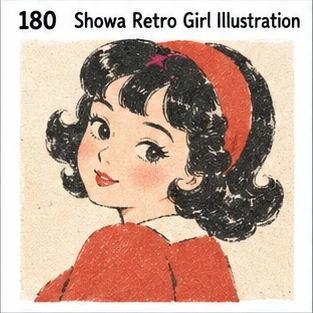
Showa Retro Girl Illustration
Vintage clothing and simple figure outlines use a limited printed palette; aged paper and gentle grain evoke an old magazine with a natural pose. Treat paper grain and slight edge irregularities as controlled details. Limit the main colors and preserve a clear subject and breathing space rather than covering everything in texture.
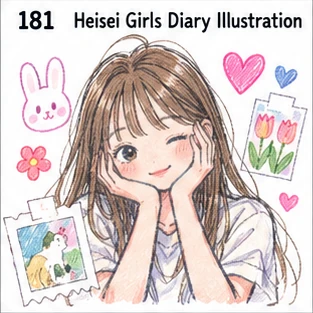
Heisei Girls Diary Illustration
Ballpoint lines, sticker-like blocks and small collage overlaps create a diary figure; cheerful pinks and blues remain lightly spaced. Retain visible strokes and subtle overlaps; prioritize contours over tiny detail. Arrange elements around the subject with a lively but hierarchical palette.
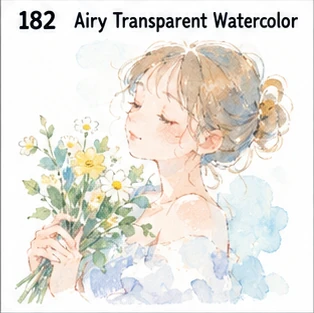
Airy Transparent Watercolor
Thin washes and soft wet edges cover little of the paper; dissolving contours and layered transparency create airy, quiet volume. Preserve translucent layers, paper luminosity and natural wet edges. Reserve dark values for the focal point; separate subject and supporting elements by scale and clarity.
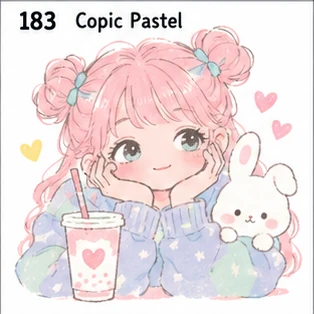
Soft Candy Marker
Soft candy-colored marker layers retain stroke direction; clean figure outlines and repeated passes create gentle, natural-looking shadows. Retain visible strokes and subtle overlaps; prioritize contours over tiny detail. Arrange elements around the subject with a lively but hierarchical palette.
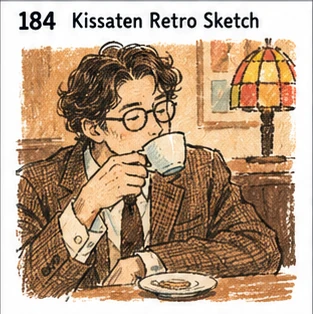
Kissaten Retro Sketch
Loose pen sketches figures and everyday utensils; brown-orange washes create nostalgic warmth with only essential spatial lines in the background. Preserve translucent layers, paper luminosity and natural wet edges. Reserve dark values for the focal point; separate subject and supporting elements by scale and clarity.
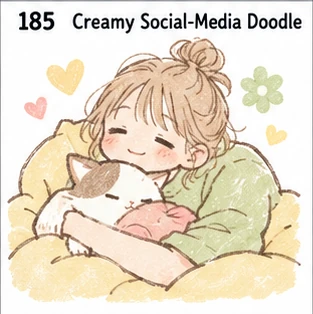
Creamy Social-Media Doodle
Rounded light outlines sit on a creamy ground; small pink, yellow and green areas describe figures and props with soft, uncluttered charm. Retain visible strokes and subtle overlaps; prioritize contours over tiny detail. Arrange elements around the subject with a lively but hierarchical palette.
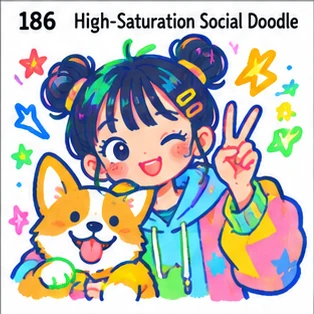
High-Saturation Social Doodle
Orange, blue, green and pink blocks meet heavy lines; a few sticker-like accents surround a readable main silhouette with lively rhythm. Build hierarchy with clear large shapes, color planes and negative space. Limit ornament; keep the main silhouette recognizable at thumbnail size.
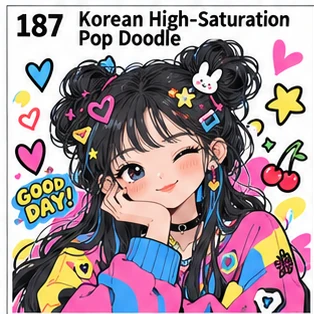
Korean High-Saturation Pop Doodle
Rounded contours describe a fashion character; vivid pop colors and icon-like accents echo large clothing shapes for playful movement. Build hierarchy with clear large shapes, color planes and negative space. Limit ornament; keep the main silhouette recognizable at thumbnail size.
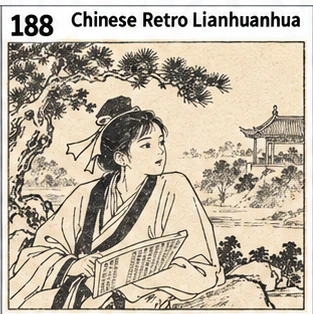
Chinese Retro Lianhuanhua
Fine black outlines and selective hatching describe figures, folds and settings; aged paper and limited pale colors support clear narrative space. Use line density to distinguish values and materials while preserving a readable silhouette. Reduce background texture so the image does not collapse into uniform gray.
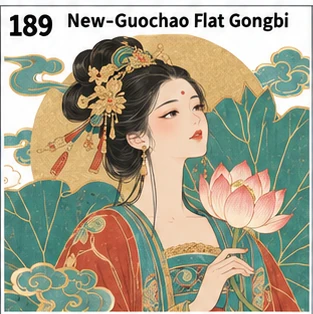
New-Guochao Flat Gongbi
Precise garment structure is drawn in clean lines and filled with flat colors; restrained gold motifs balance classical decoration with modern composition. Subordinate detail to large forms and visual hierarchy. Preserve readable contours, a focused palette and varying ornament density.
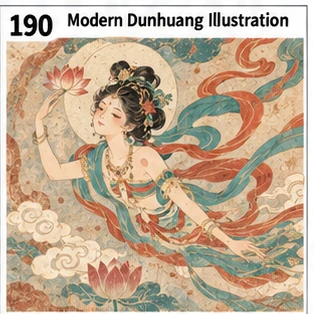
Modern Dunhuang Illustration
Ribbon-like curves, lotus and cloud motifs organize movement; mineral teal, ochre and red pigments add fine grain and flowing mural-like decoration. Subordinate detail to large forms and visual hierarchy. Preserve readable contours, a focused palette and varying ornament density.
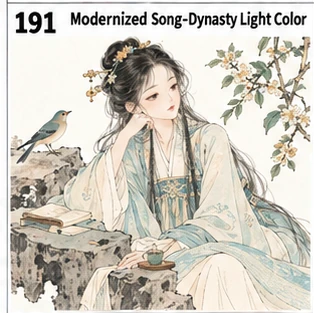
Modernized Song-Dynasty Light Color
Fine lines describe figures and natural objects on ivory; pale teal and ochre, restrained depth and ample space create quiet classical elegance. Preserve translucent layers, paper luminosity and natural wet edges. Reserve dark values for the focal point; separate subject and supporting elements by scale and clarity.
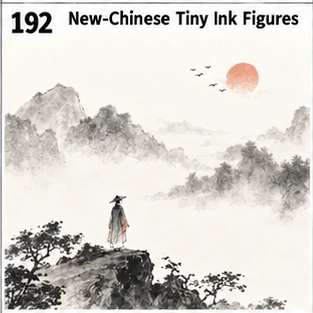
New-Chinese Tiny Ink Figures
Tiny figures occupy expansive paper white; naturally spreading ink, a few contextual marks and pale accents convey emotion through posture. Shape the image with wet-dry ink, varied stroke weight and open paper. Let the main gesture follow the brush rhythm, with only supporting local color.
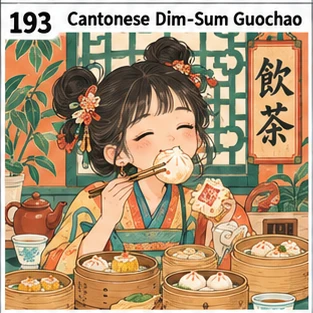
Cantonese Dim-Sum Guochao
Figures and everyday dining objects form a relaxed scene; warm orange, teal, rounded lines and rhythmic foliage or lattice accents suggest southern-city life. Build hierarchy with clear large shapes, color planes and negative space. Limit ornament; keep the main silhouette recognizable at thumbnail size.
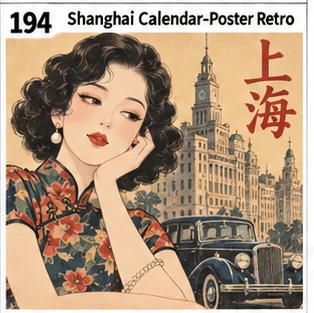
Shanghai Calendar-Poster Retro
Softly modeled faces, elegant garment contours and warm vintage advertising colors; faint paper texture and decorative framing create a nostalgic portrait. Visible brushwork connects form and setting. Guide the eye with temperature and value; keep the focal detail clear and simplify distant edges.
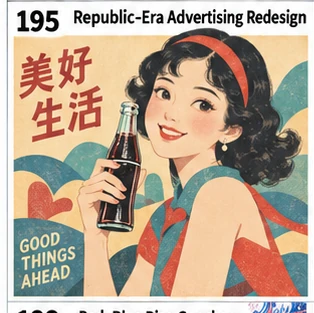
Republic-Era Advertising Redesign
Vintage advertising figures and objects become simplified flat shapes; retain period colors and layout order while replacing excess ornament with space. Treat paper grain and slight edge irregularities as controlled details. Limit the main colors and preserve a clear subject and breathing space rather than covering everything in texture.
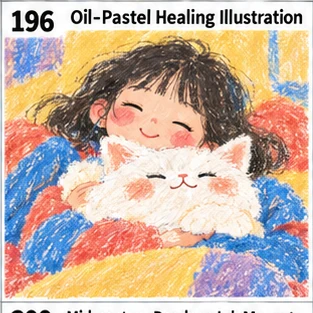
Oil-Pastel Healing Illustration
Thick waxy color and coarse grain describe a naive figure; creamy tones and brighter accents build a warm tactile surface through layered rubbing. Paper grain, rubbing and small exposed areas reveal the medium without breaking the main forms. Use a limited palette with warm-cool variation.
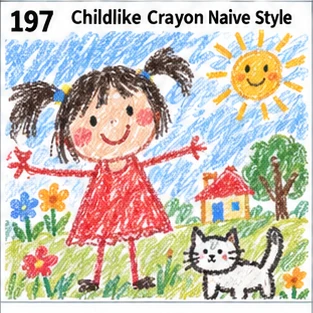
Childlike Crayon Naive Style
Inaccurate proportions and saturated crayon fills escaping loose outlines preserve childlike spontaneity; direct emotion inhabits a simple scene. Paper grain, rubbing and small exposed areas reveal the medium without breaking the main forms. Use a limited palette with warm-cool variation.
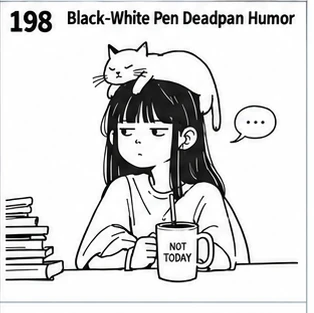
Black-White Pen Deadpan Humor
Minimal pen lines describe a deadpan figure; one contrasting object in broad white space lets gaze and distance deliver a silent joke. Organize the image through contours and empty space. Make the main gesture immediately readable, with restrained color accents and no heavy shading.
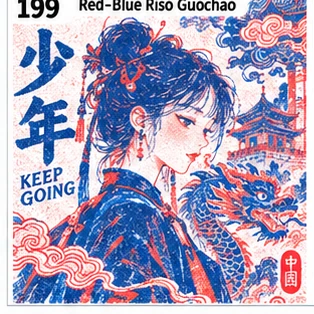
Red-Blue Riso Guochao
Red and blue layers slightly misregister around figures and Eastern everyday objects; grain and rubbings retain clear large shapes and youthful print energy. Treat paper grain and slight edge irregularities as controlled details. Limit the main colors and preserve a clear subject and breathing space rather than covering everything in texture.
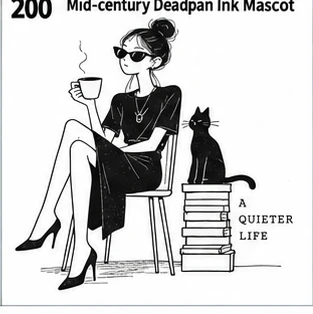
Mid-century Deadpan Ink Mascot
A long thin body in adult clothing wears a calm face; clean monochrome ink, directed limbs and open space create a mid-century editorial rhythm. Shape the image with wet-dry ink, varied stroke weight and open paper. Let the main gesture follow the brush rhythm, with only supporting local color.